Anechoic chamber: what it is and what it is used for
An anechoic chamber is a research laboratory used for testing or experimentation, as it is an environment designed to be echo-free. In fact, in Ancient Greek, anechoic means exactly that: without echo.
These chambers are used when it is necessary to recreate the conditions of a potentially infinite open space, to test how a specific instrument, machine, or device behaves in absolute silence, or to perform highly precise measurements without background noise interfering with the test.
This environment is so silent that it causes significant discomfort and a sense of unease (it is said that, due to the oppressive silence, one can effortlessly hear their own heartbeat or the sound of air entering and leaving the lungs); it is also defined as the quietest place in the world.
For this reason, the anechoic chamber is commonly known as “the room that drives you crazy”; our ears, accustomed to maintaining balance and orientation through echoes, find themselves without points of reference in such a place.
What an anechoic chamber is and what it is used for
An anechoic chamber is a room without an echo. To create one, it is necessary to line the walls, ceiling, and floor with highly sound-absorbing materials so that sound is absorbed rather than reflected off surfaces, which would cause an annoying echo.
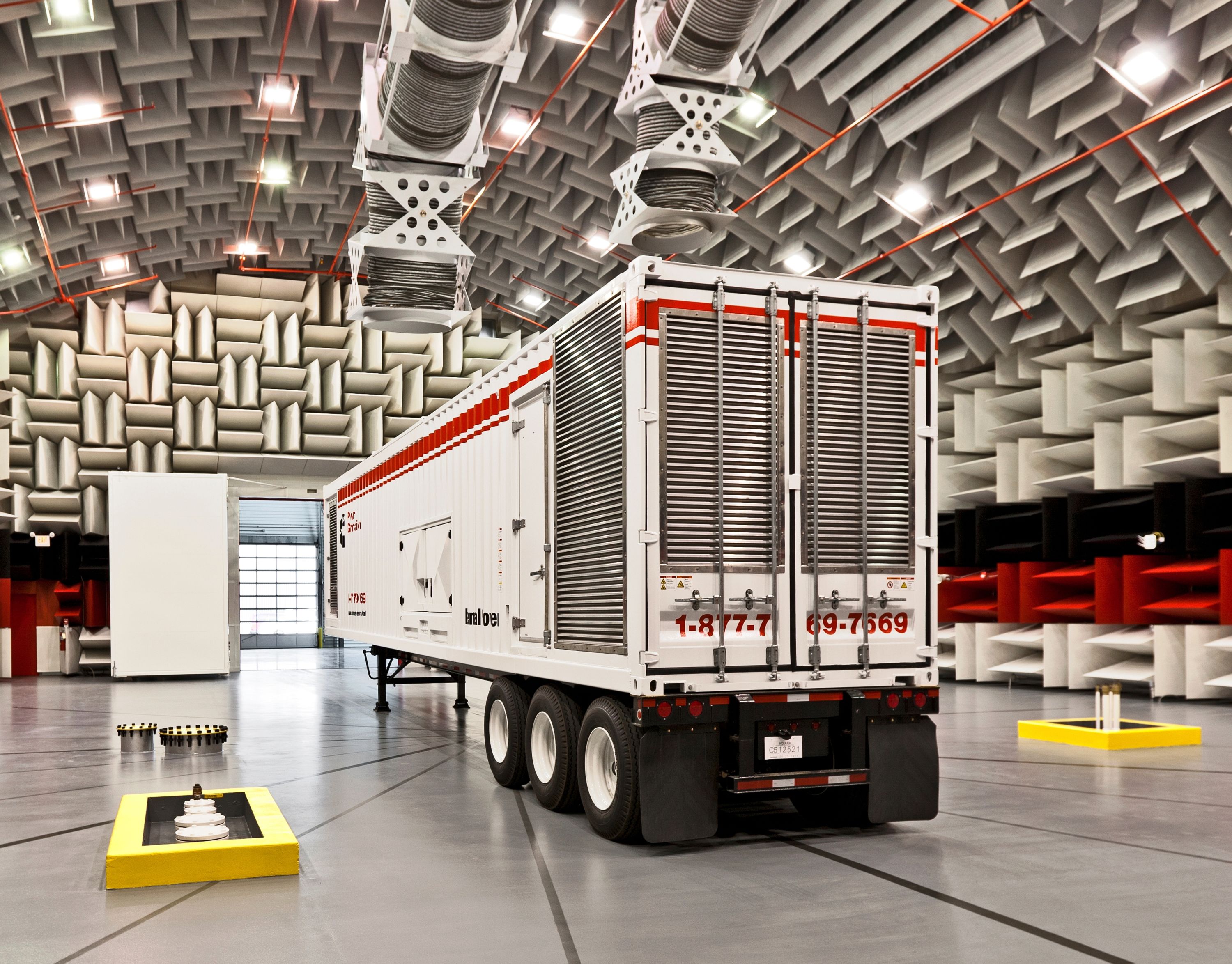
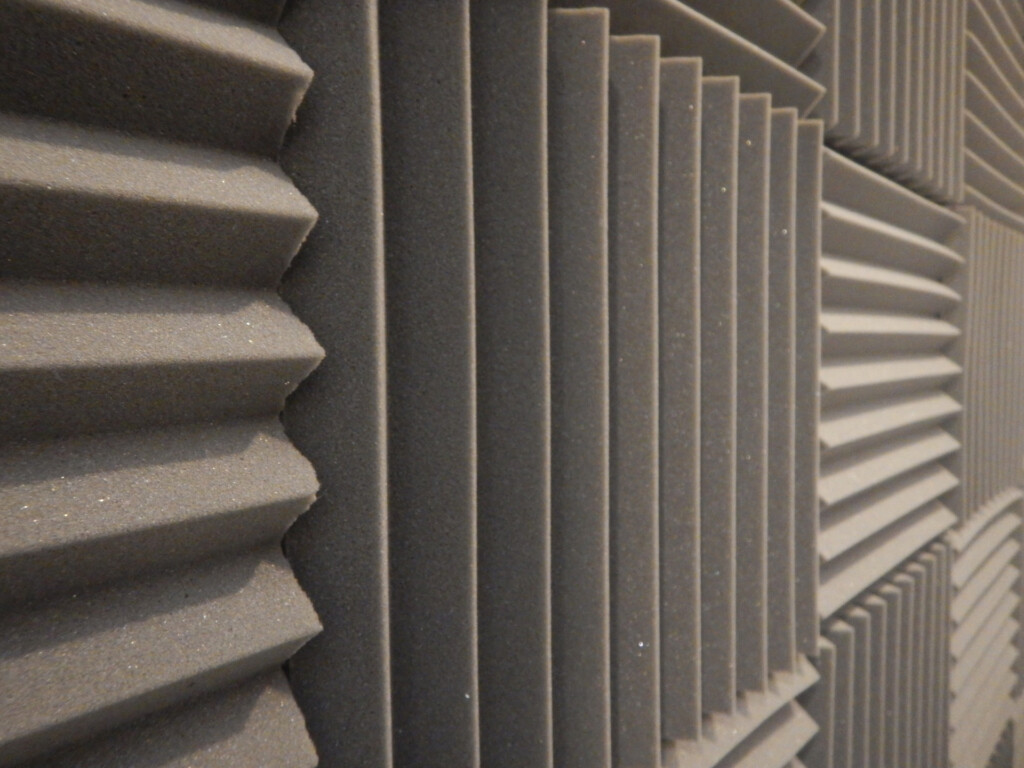
To create sound-absorbing panels that do not reflect any sound, their shape must be designed and constructed in a specific way; the panels are modeled into sharp, protruding shapes (called wedge-shaped) placed close together. This shape is designed to maximize the panel’s absorbing surface, making it much more effective than a flat-shaped panel (which has a smaller surface area).
When a sound event occurs in the room, these panels absorb the noise; whatever they cannot absorb is reflected toward neighboring panels, ensuring complete sound absorption. Careful design of the entrance doors and the ventilation system is also necessary to prevent sound leakage.
These panels are usually made of glass wool, a particularly sound-absorbent material that allows for sound dissipation; sometimes these “sponges” are also treated with an iron-carbon compound, a mixture that aids in sound absorption.
The anechoic chamber therefore absorbs any type of sound, reverberation, or electromagnetic wave (in the case of electromagnetic anechoic chambers); furthermore, these rooms are usually also isolated from external sounds.
Anechoic rooms were conceived around the 1940s and were initially used only for acoustic testing to evaluate certain instruments, which is still done today. However, the anechoic chamber is currently used for other activities as well: to perform various types of measurements in environments free from sound distractions and for industrial certification activities (for example, to test the noise intensity of a specific machine or the amount of electromagnetic waves emitted by a device).
Types of anechoic chambers
Anechoic rooms can range from the size of a small room to much larger spaces, even reaching the size of a hangar; depending on their function, several types exist:
Semi-anechoic chamber: when it is not fully shielded; for example, the floor might not be lined with sound-absorbing material but rather with a reflective one;
Controlled acoustics chamber: the simplest and least soundproofed type, used in recording studios to record without reverberation, especially for vocals and string instruments (which are most susceptible to echo), to achieve a very clean sound;
Electromagnetic anechoic chamber: there is also an anechoic chamber capable of absorbing electromagnetic waves; this room is covered with a different material (radiation-absorbent material) shaped into pyramids. It is primarily used to test devices such as antennas and radars, and to measure electromagnetic interference between devices (to perform electromagnetic compatibility tests so they meet legally established standards).
The anechoic chamber as a strategic tool for industrial quality control
In the modern industrial context, increasingly focused on production excellence and regulatory compliance, the anechoic chamber represents a key element in research, development, and quality control processes. Companies active in the automotive, aerospace, home appliance, and electronics sectors use these chambers to perform highly precise acoustic and vibrational tests in an environment free from interference and background noise. This allows, for example, for the accurate measurement of the sound emission of an electric motor, the residual noise of a household appliance, or the noise level of a mechanical device in operation—fundamental aspects for improving the customer experience and complying with limits set by European and international regulations.
In addition to improving acoustic performance, the anechoic chamber is often used for product certification according to standards such as ISO 3744 or ISO 3745, which are essential for accessing global markets. Thanks to the total absence of echo and reverberation, measurements taken in this environment are highly reliable and repeatable, offering companies a concrete tool to optimize their products, reduce post-production costs, and strengthen their market competitiveness.
An increasing number of industrial entities choose to invest in in-house anechoic chambers or rely on specialized partners to conduct periodic testing campaigns. In both cases, the goal is the same: to ensure silence where it is needed and quality where it matters.
Tailor-made for Companies
Marvinacustica offers custom-made anechoic and semi-anechoic chambers specifically designed to meet the unique needs of businesses. These chambers provide an acoustically isolated environment, free from reverberation and background noise, ideal for conducting acoustic tests, precise measurements, and research and development in sectors such as automotive, aerospace, and electronics. Thanks to their bespoke design, chambers engineered by Marvinacustica can be adapted to the dimensions and technical specifications required by individual companies, ensuring optimal results and reliable performance for their testing and research activities. With these tailor-made rooms, companies can rely on high-quality, personalized solutions for their most complex acoustic requirements.
Discover our solutions now!