


- Absorption by porosity: vibrating air becomes trapped in the porous material.
- Absorption by membrane resonance: when a space is placed between the sound-absorbing material and the wall.
- Absorption by cavity resonance: when sound is absorbed by holes or slots created in the sound-absorbing material.

Types and Materials of Soundproofing Panels
Soundproofing panels consist of two parts, an outer and an inner part. The outer part is visible to the naked eye and can be composed of various materials that we will examine shortly, while the inner part is filled with materials that have the function of absorbing sound. There are various types of soundproofing panels, which can be applied to walls, ceilings, and roofs. They can be installed continuously or only in certain areas, such as the corners of a room. There are several types of soundproofing panels:- Metal: their ability to absorb sound depends primarily on the width of the holes on their surface (absorption by cavity resonance), since inside they contain a polyester fiber mat.
- Wood: here too, beneath the outer wooden layer, we always find polyester fiber. As with metal panels, the surface is perforated.
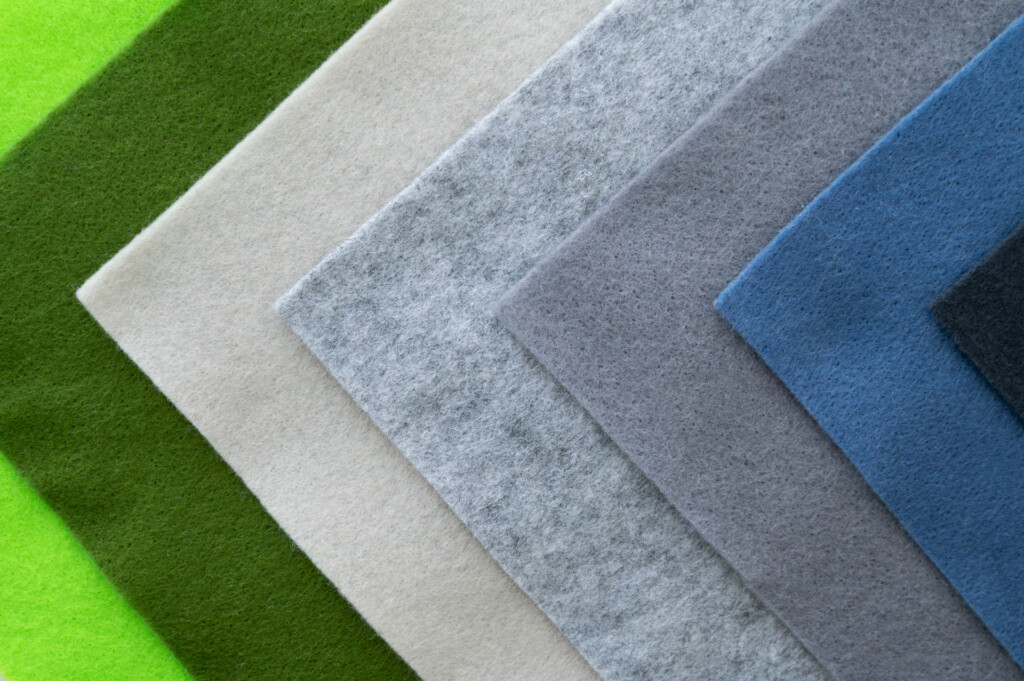
- Fabric: they are lightweight and provide less insulation, but are easily customizable and adaptable to the environment.
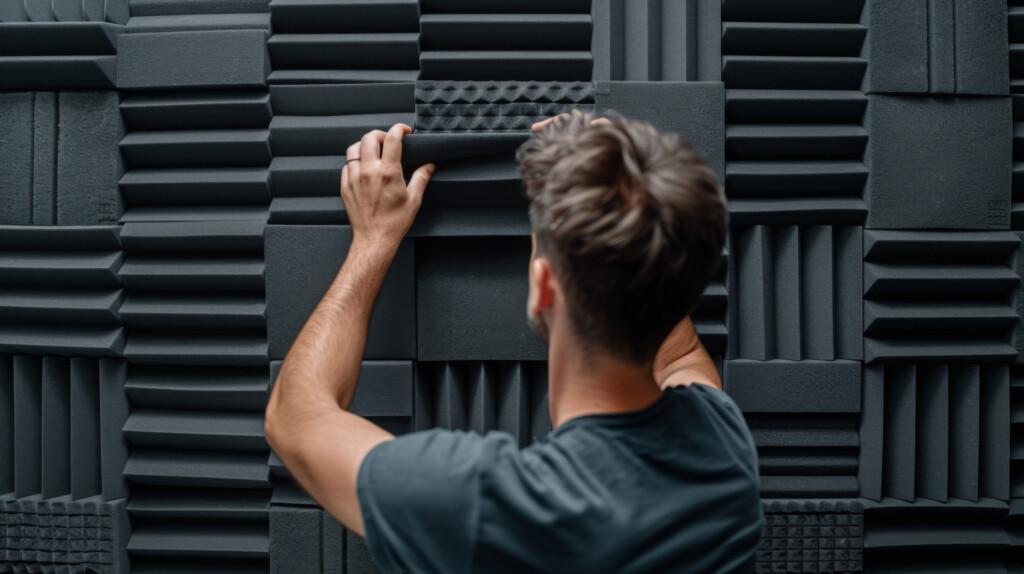
- Foam material: they have the greatest insulating capacity and are perhaps the most common, often seen in recording studios. However, they are less customizable and typically do not adapt to the design of the environment.

Soundproofing Panels: A Versatile Solution for Every Environment
Soundproofing panels are establishing themselves as one of the most effective and versatile solutions for improving acoustic comfort in a wide range of public and private environments. Whether it is a crowded restaurant, a corporate open space, a classroom, or a waiting room in a medical office, excessive noise can negatively impact the experience of those who occupy these spaces, generating stress, difficulty concentrating, and a perception of widespread chaos. For this reason, acoustic correction through sound-absorbing panels is no longer reserved only for recording studios or industrial spaces, but is increasingly being applied in common, everyday contexts.
In restaurants, for example, the installation of soundproofing panels significantly reduces the reverberation generated by voices, dishes, and utensils, helping to create a more intimate and pleasant atmosphere where customers can converse without raising their voices. Similarly, in meeting rooms or open-space offices, these panels help limit sound dispersion and improve acoustic privacy, promoting greater productivity and better concentration. Even in domestic environments, such as home offices, living rooms, or music rooms, panels can improve sound quality and reduce disturbances from reverberation or external noise.
One of the main advantages of soundproofing panels is their ability to combine functionality and aesthetics: available in different shapes, colors, and finishes, they can be discreetly integrated or become true decorative elements. Furthermore, thanks to the modularity and variety of available materials, it is possible to design customized solutions for each space, intervening in a targeted manner on the most critical surfaces (walls, ceilings, corners) without invasive or structural interventions.
Ultimately, these panels represent an intelligent choice for all organizations—corporate, public, or private—that wish to improve environmental quality, reduce acoustic pollution, and offer customers, employees, or guests a more comfortable, efficient, and professional sound experience.